
AI Data Centers Are Becoming a Local Politics Story, Not Just a Cloud Story
The next AI bottleneck is not only chips or models. It is whether communities trust the power, water and tax promises behind the giant buildings that make AI feel instant.

Infrastructure Editor
The invisible machine is now visible
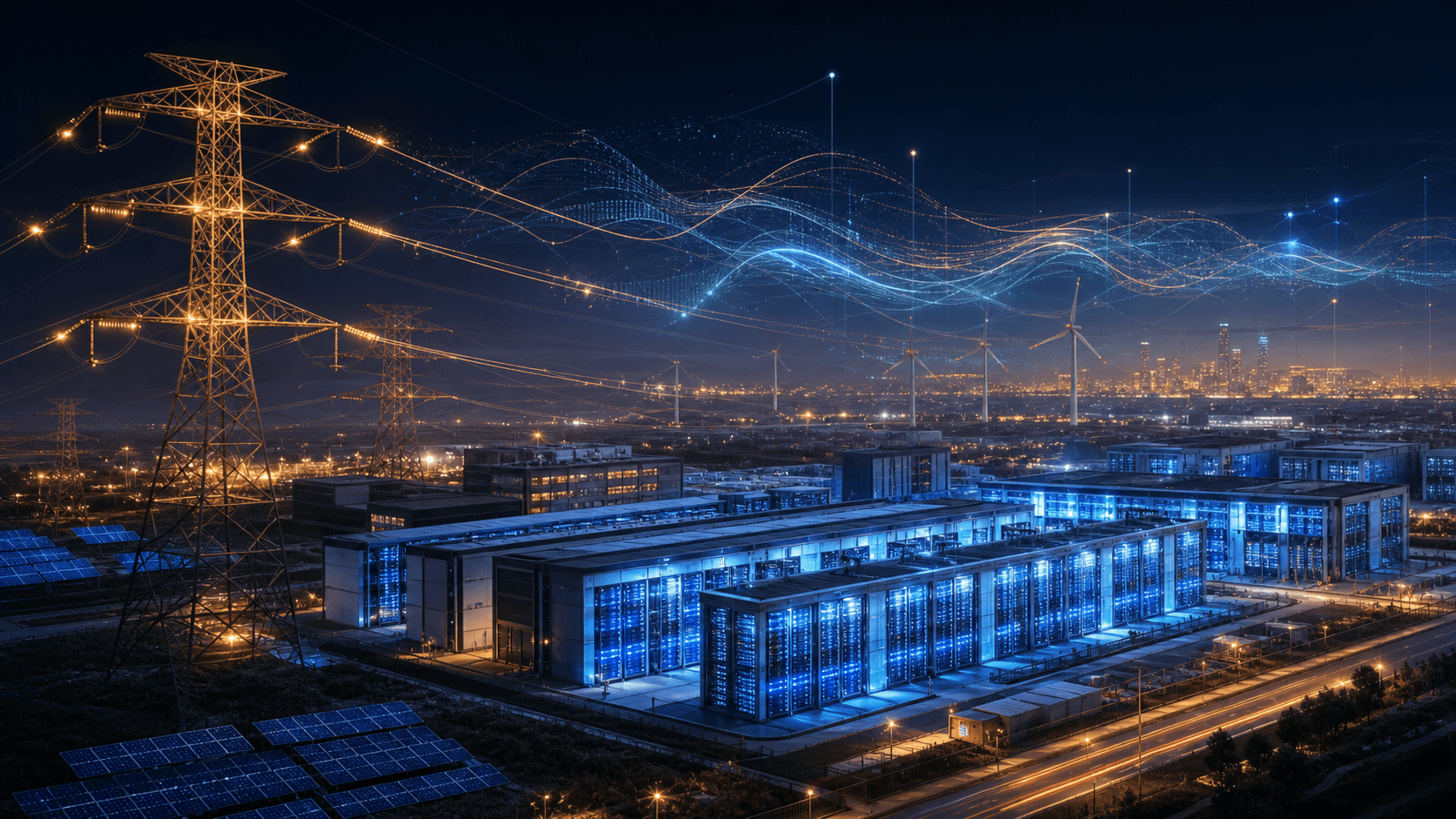
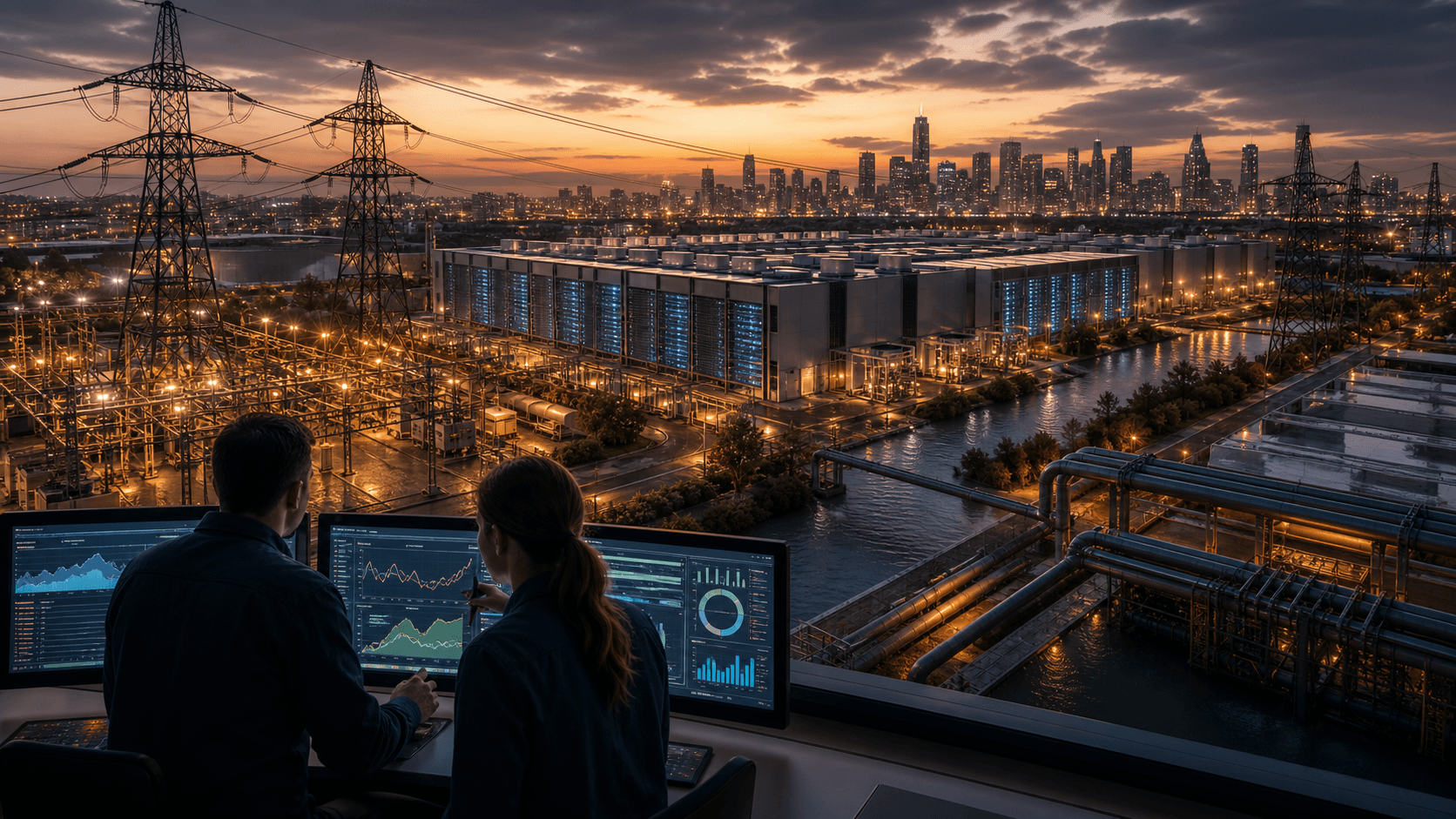
For years, the cloud felt weightless. Users opened an app, asked a model a question, generated an image, searched a document or automated a workflow, and the infrastructure disappeared into the word cloud. That illusion is ending. AI has made the physical side of computing visible again: land, substations, transmission lines, cooling systems, backup generators, water permits and local meetings.
The reason is simple. Modern AI does not run on slogans. It runs on dense clusters of GPUs, constant cooling and a grid that can deliver power day and night. The International Energy Agency has warned that AI is now a serious energy-planning question, and its 2026 update says data-center electricity demand grew sharply in 2025, with AI-focused facilities growing even faster.
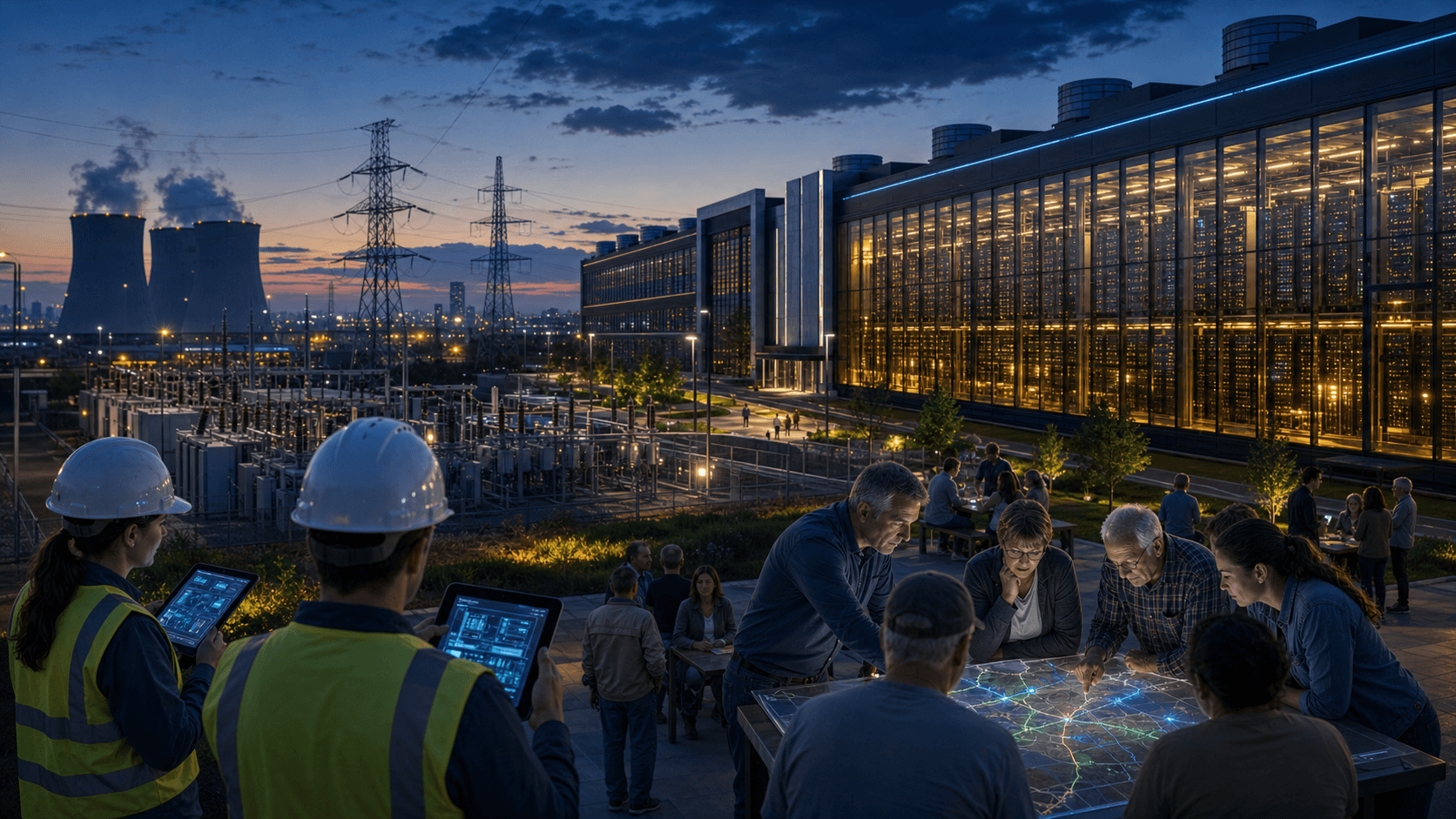
That turns a technical buildout into a civic question. A data center may promise jobs, tax revenue and digital prestige, but neighbors ask more immediate questions: Will bills rise? Will water use increase during drought? Will new gas plants be kept alive? Will the building create long-term work or only a construction boom? The debate is moving from tech conferences to town halls.
The tradeoff is not anti-technology
The backlash should not be read as a simple rejection of AI. Most communities use the services data centers enable: cloud storage, payments, hospital software, government systems, search, streaming and now AI assistants. The conflict is about asymmetry. Everyone likes the service, but the costs concentrate in specific places.
A rural county, a drought-prone suburb or a power-constrained city may be asked to host infrastructure for global users. The benefits may be abstract, while the visible costs are local: noise, land use, water anxiety, grid upgrades and the feeling that negotiations happened before residents understood the scale.
That is why transparency matters more than marketing. A project that says only “innovation” will lose trust. A project that publishes expected load, cooling design, water strategy, backup power plan, local tax terms and grid-upgrade responsibility has a better chance of being treated like infrastructure rather than extraction.
Efficiency will not end the debate
The technology industry often answers concern with efficiency: better chips, liquid cooling, smarter scheduling and more renewable contracts. Those improvements are real and necessary. But efficiency alone rarely reduces total demand when usage is exploding. Cheaper and faster AI often creates more AI usage.
This is the same paradox that has followed computing for decades. A more efficient server does not automatically mean less electricity if companies deploy far more servers. A better model does not automatically reduce energy demand if it unlocks more products, more queries, more agents and more always-on background tasks.
The practical question is therefore not whether AI should stop. It is how the buildout becomes legible. Regulators and communities need to know which facilities are training-heavy, which are inference-heavy, which can shift load, which need constant uptime, and which are designed to reuse heat or reduce water stress.
What responsible AI infrastructure looks like
A responsible data-center plan starts before the press release. It includes site selection based on grid capacity and water stress, not only cheap land. It uses contracts that make clear who pays for transmission upgrades. It offers public reporting that is specific enough to be useful and simple enough for non-engineers to understand.
It should also connect AI growth to demand management. Not every workload needs to run at peak hours. Not every inference request needs the largest model. Not every cooling choice should shift a hidden burden from electricity to water. Better model routing, scheduling and hardware utilization are not just engineering optimizations; they are public-infrastructure choices.
The companies that win the next phase of AI will not be the ones that build fastest at any cost. They will be the ones that can prove the physical bargain is fair: useful AI, reliable grids, honest water accounting, local benefits that survive construction, and a public record that lets communities believe the numbers.
“Good technology journalism helps the reader make a better decision after reading.”
About the author

Michael Lee
Infrastructure Editor
Michael covers chips, cloud platforms, data centers, software infrastructure, and the economics behind large-scale computing.