
Japan and Nvidia Are Turning AI Into Factory Infrastructure
The next AI race is moving beyond chatbots into robotics, data centers, industrial systems and the physical economy.

Infrastructure Editor
Why Japan is back in the AI infrastructure story
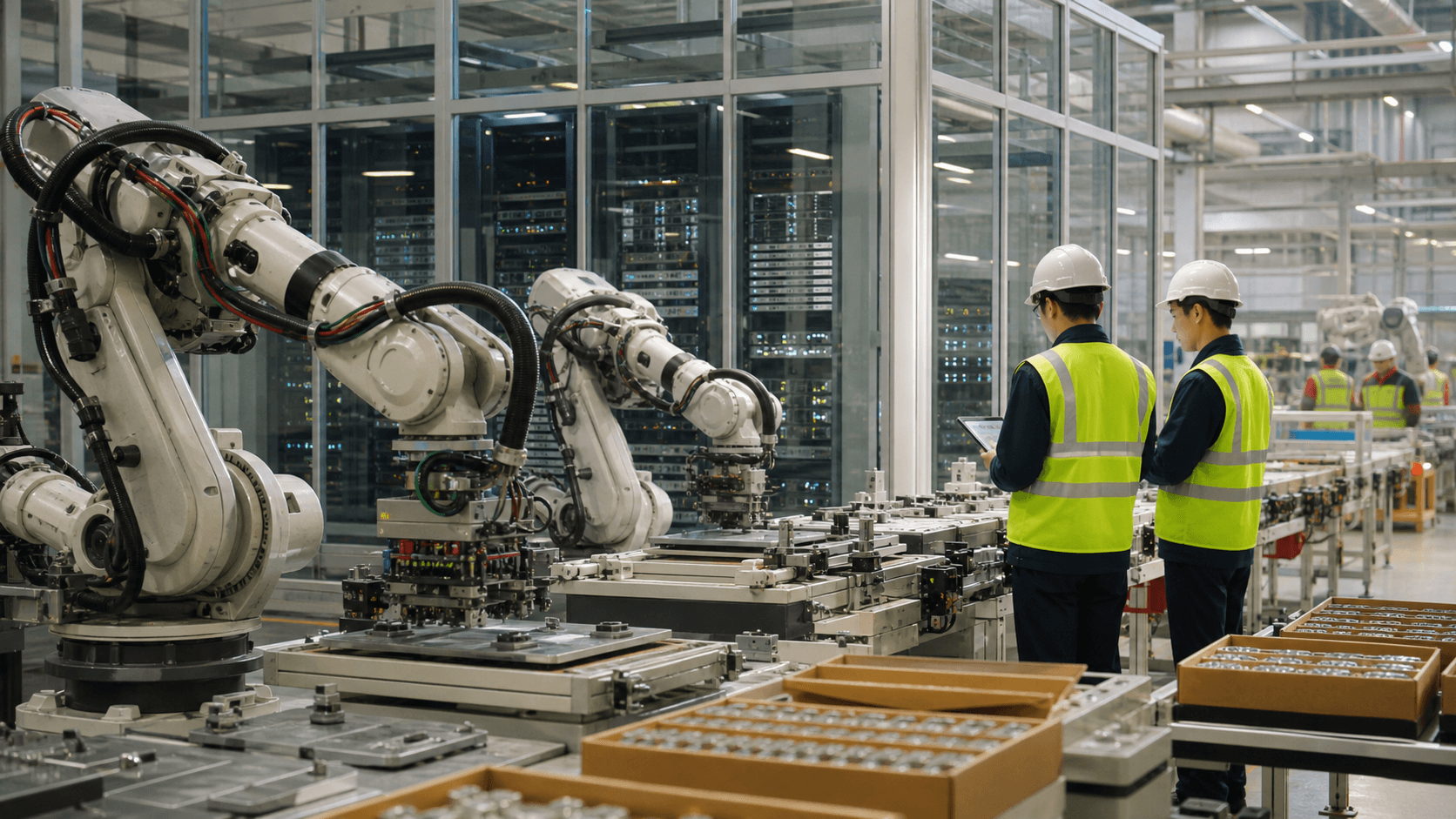
Japan has long been known for robotics, precision manufacturing, cars, sensors and disciplined factory systems. The new AI wave is therefore not just about chatbots. For Japan, the bigger question is how AI enters factories, logistics, industrial robots, elder care, autonomous machines and smart cities. When Nvidia and Japanese partners talk about national AI infrastructure and physical AI, the race is moving from screens into production lines.
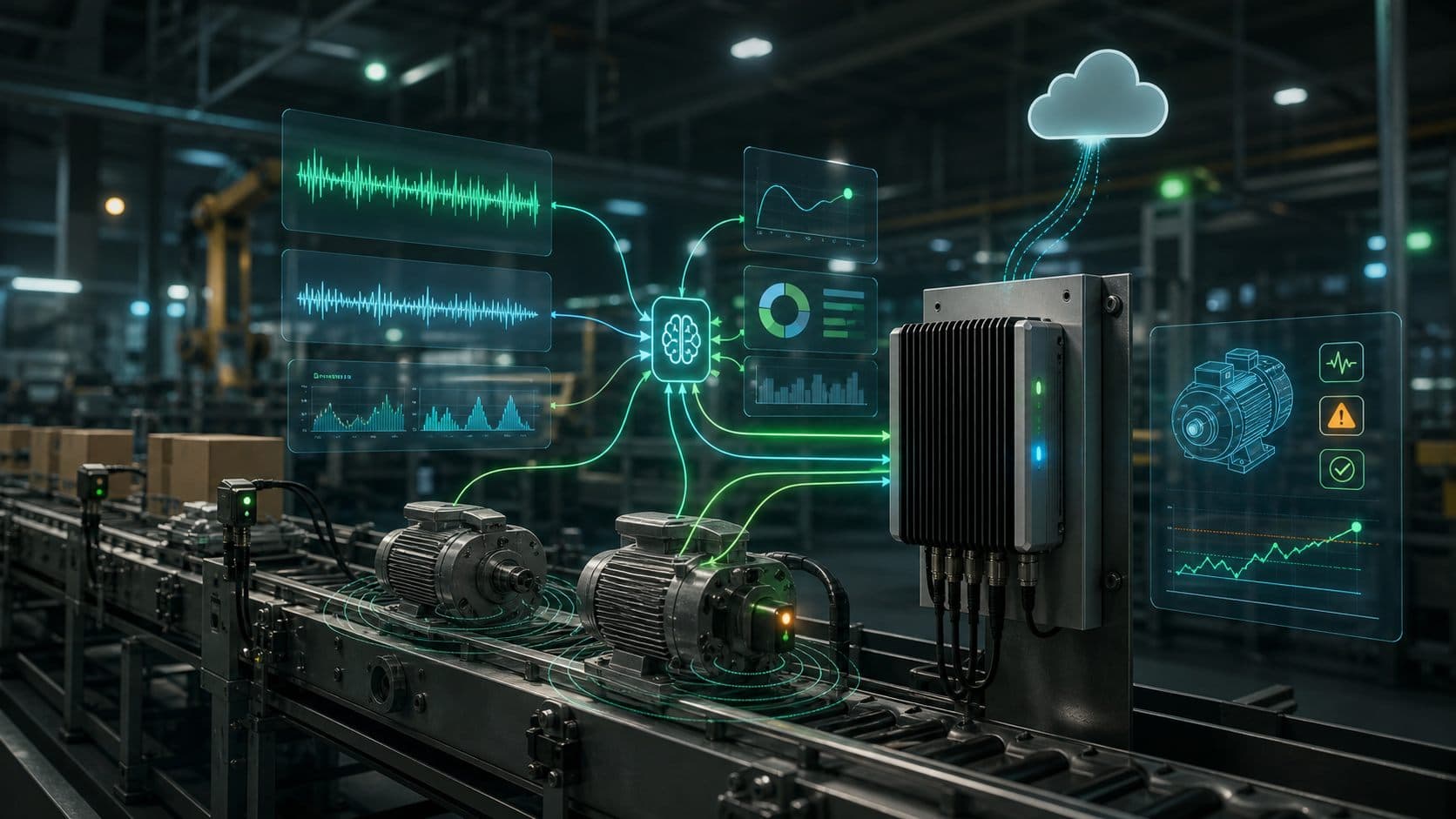
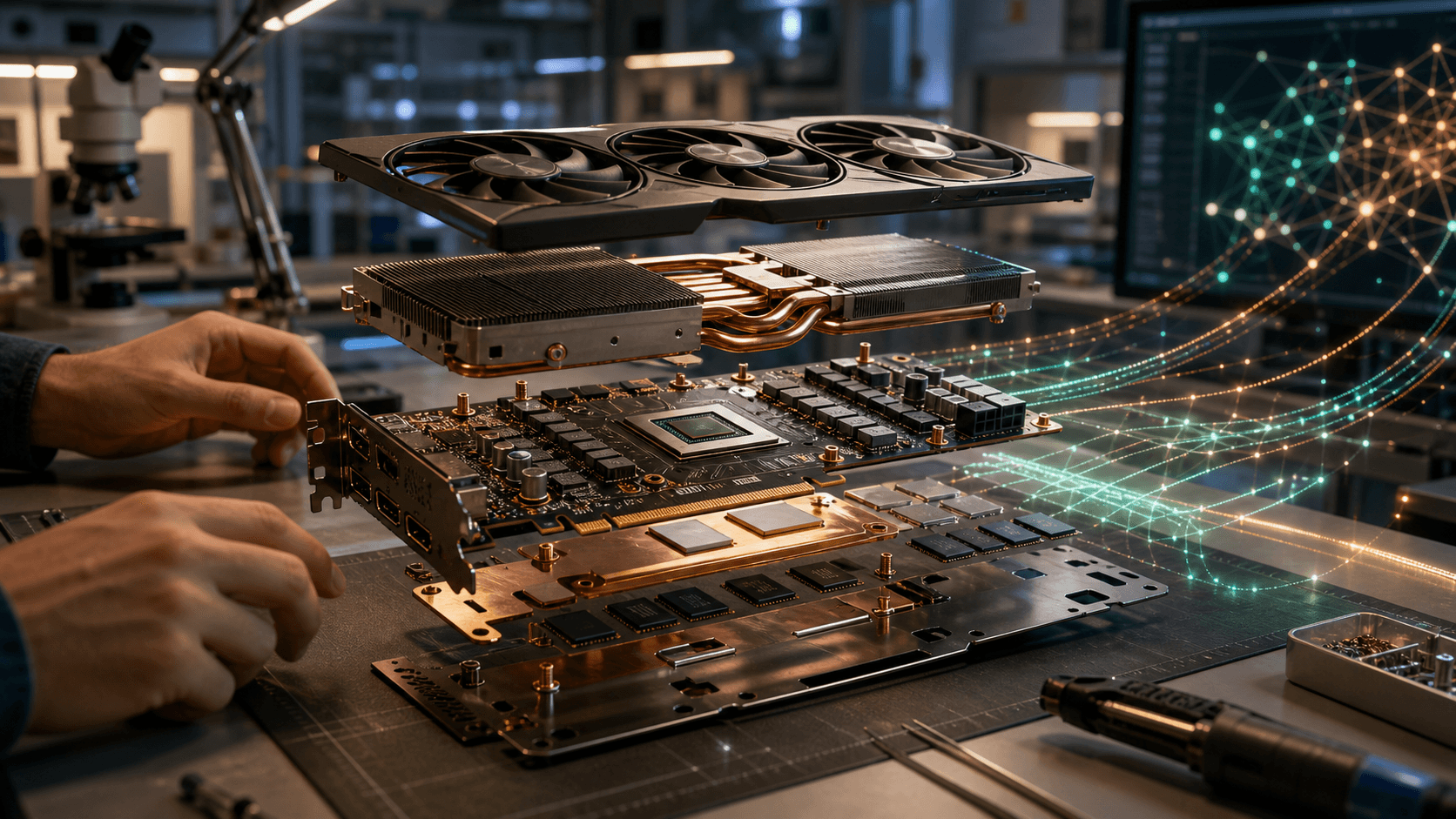
That matters for users because the future of AI is not only text generation. If compute, data centers, GPUs, networks and control software are connected well, models can help machines see better, optimize production, detect defects earlier and support robots in real-world decisions. This is where AI stops being only a writing assistant and becomes industrial infrastructure.
What physical AI really means
Physical AI means a model does not only produce text or images; it interacts with the physical world. An industrial arm picking a part, a vision system spotting defects, a warehouse system rerouting goods or a vehicle predicting pedestrian behavior all depend on some form of physical AI. The stakes are different. A chatbot mistake may create a bad answer. A factory mistake can affect safety, uptime and real cost.
Japan has an advantage because it already owns much of the physical layer: robots, factories, manufacturing discipline and quality culture. Countries with strong language models still have to connect AI to industry. Japan can combine advanced compute with existing industrial systems and create value in places that are more important to the real economy than another consumer app.
What businesses should learn
The global message is clear: national AI infrastructure is becoming strategic. Countries already invest in energy, chips and networks. Now they also need compute capacity and industrial models. A manufacturer that keeps AI inside a marketing team will miss much of the value. The bigger gains may come from machine maintenance, quality control, energy efficiency, scheduling and workforce training.
Smaller companies can learn from the same pattern. They do not need to build data centers, but they should map which physical workflows can improve with AI. Warehouses, repair teams, packaging lines, retail operations and technical support can benefit from computer vision, failure prediction and smarter planning. Physical AI becomes useful when it is explained as productivity, not as a slogan.
Conclusion
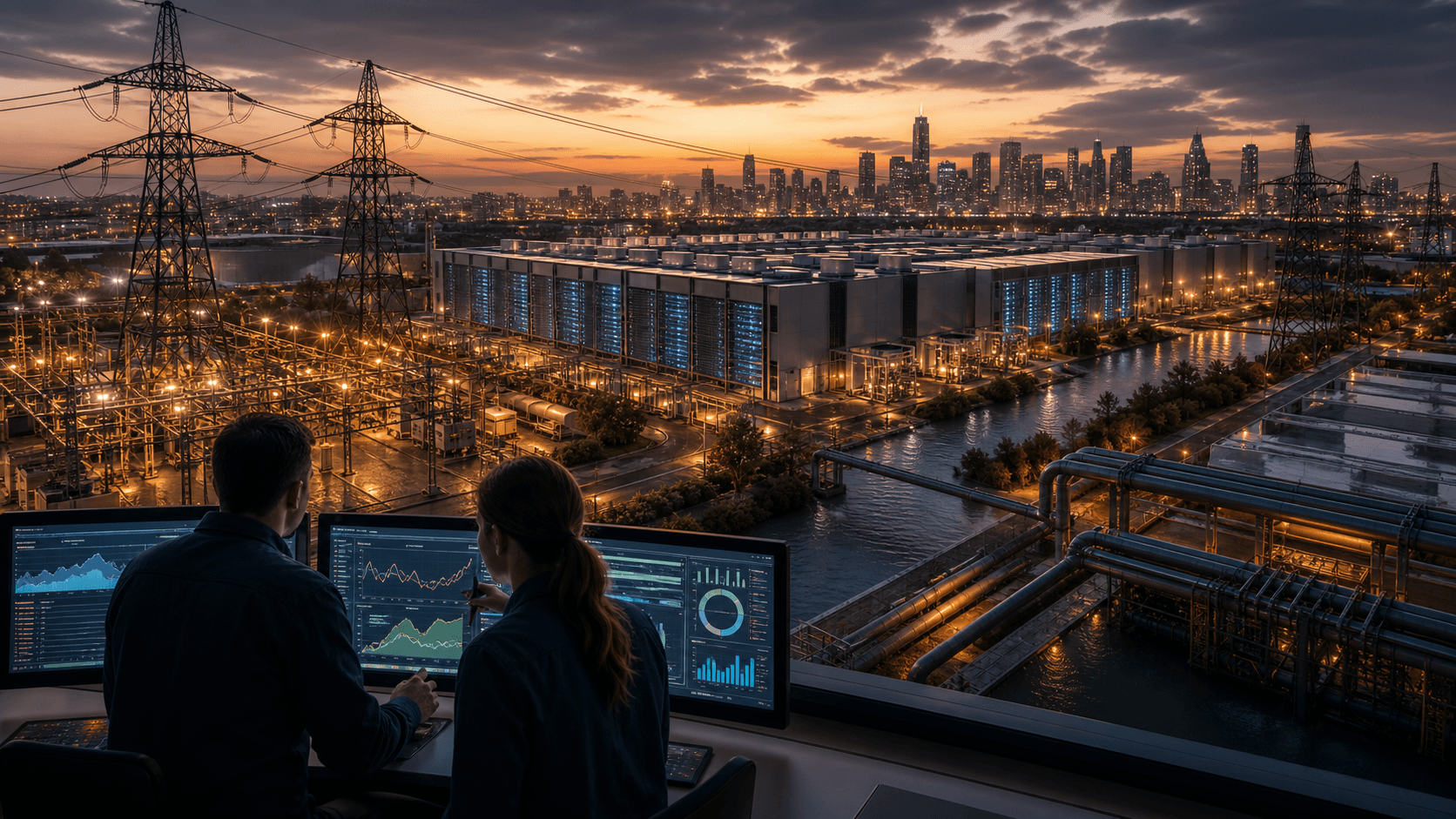
Japan and Nvidia show that the next AI wave is not only about language models. The deeper future appears when models work with factories, robots, power systems, cities and infrastructure. That path is harder than launching a chatbot, but the economic impact can be much larger.
The simple takeaway: any country that wants to stay serious in AI cannot look only at software. Data centers, chips, robotics, skilled workers and real industry must connect. That combination can change national productivity, not just app features.
“Good technology journalism helps the reader make a better decision after reading.”
About the author

Michael Lee
Infrastructure Editor
Michael covers chips, cloud platforms, data centers, software infrastructure, and the economics behind large-scale computing.