
Nvidia H20 Is Back in the Spotlight: Why Export Licenses Can Change AI Prices
The AI boom is not only about models. Chips, licenses, data centers and logistics now decide how fast and affordable AI products can become.

Infrastructure Editor
Why AI chip exports are back in focus
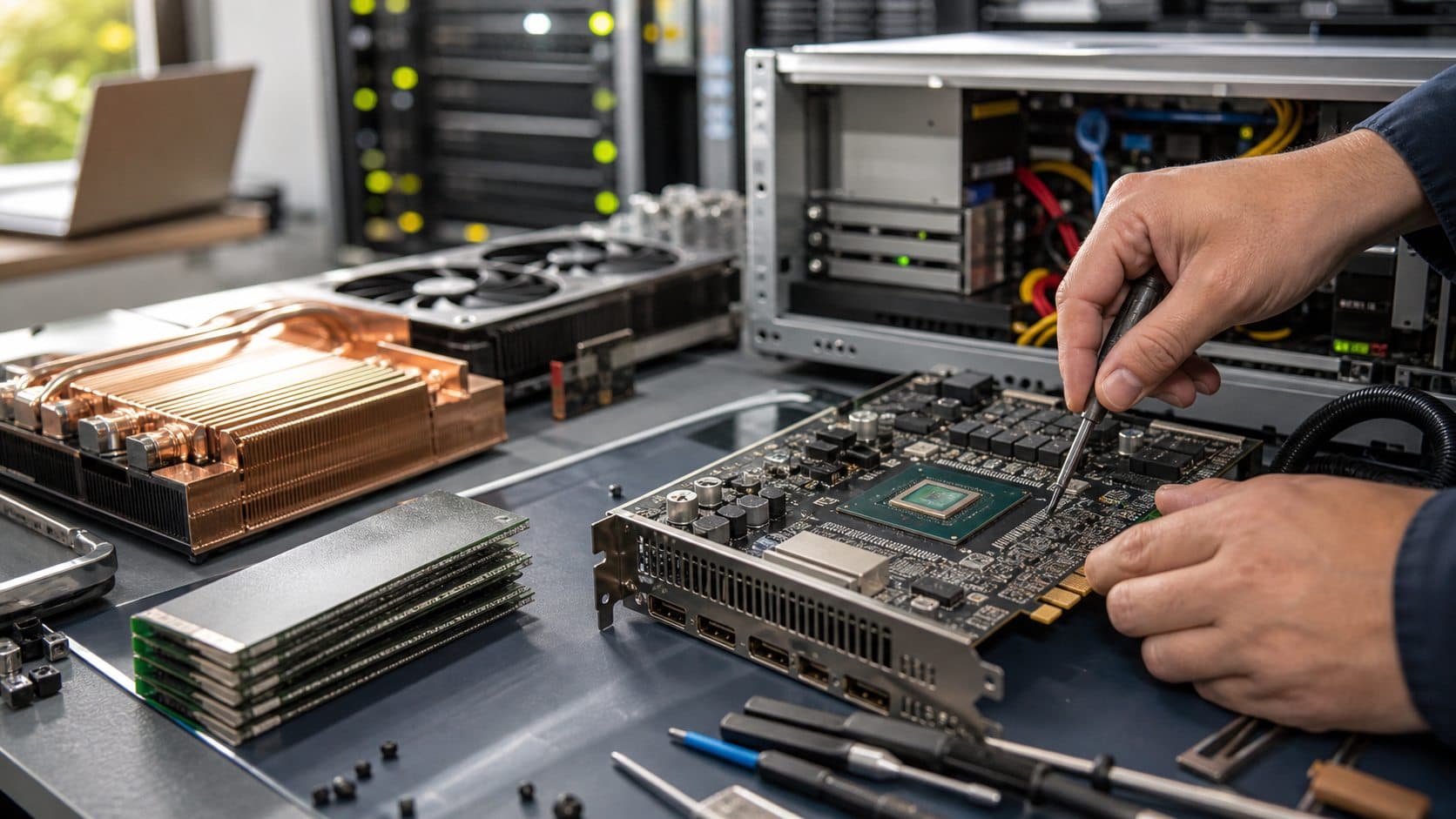
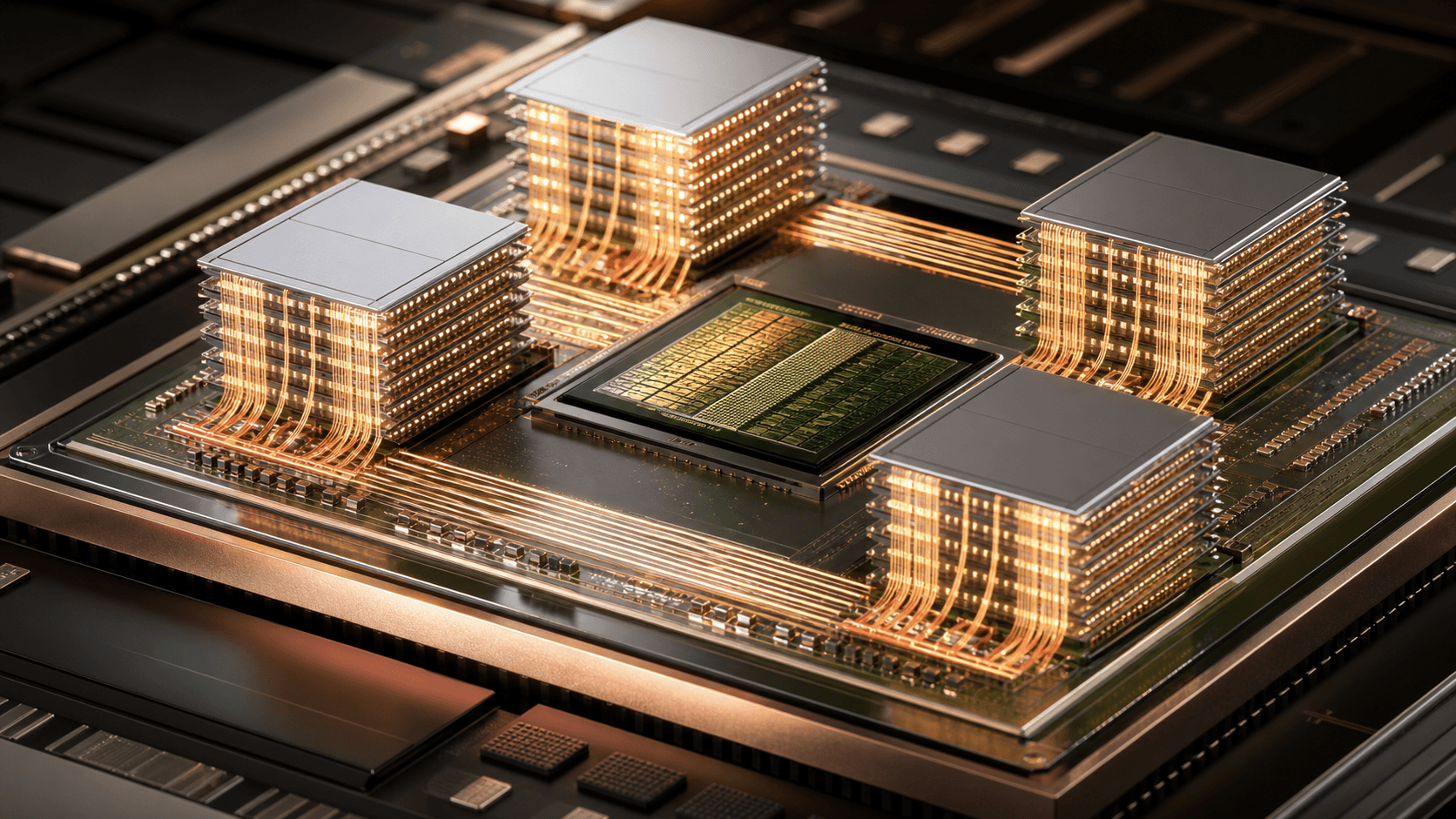
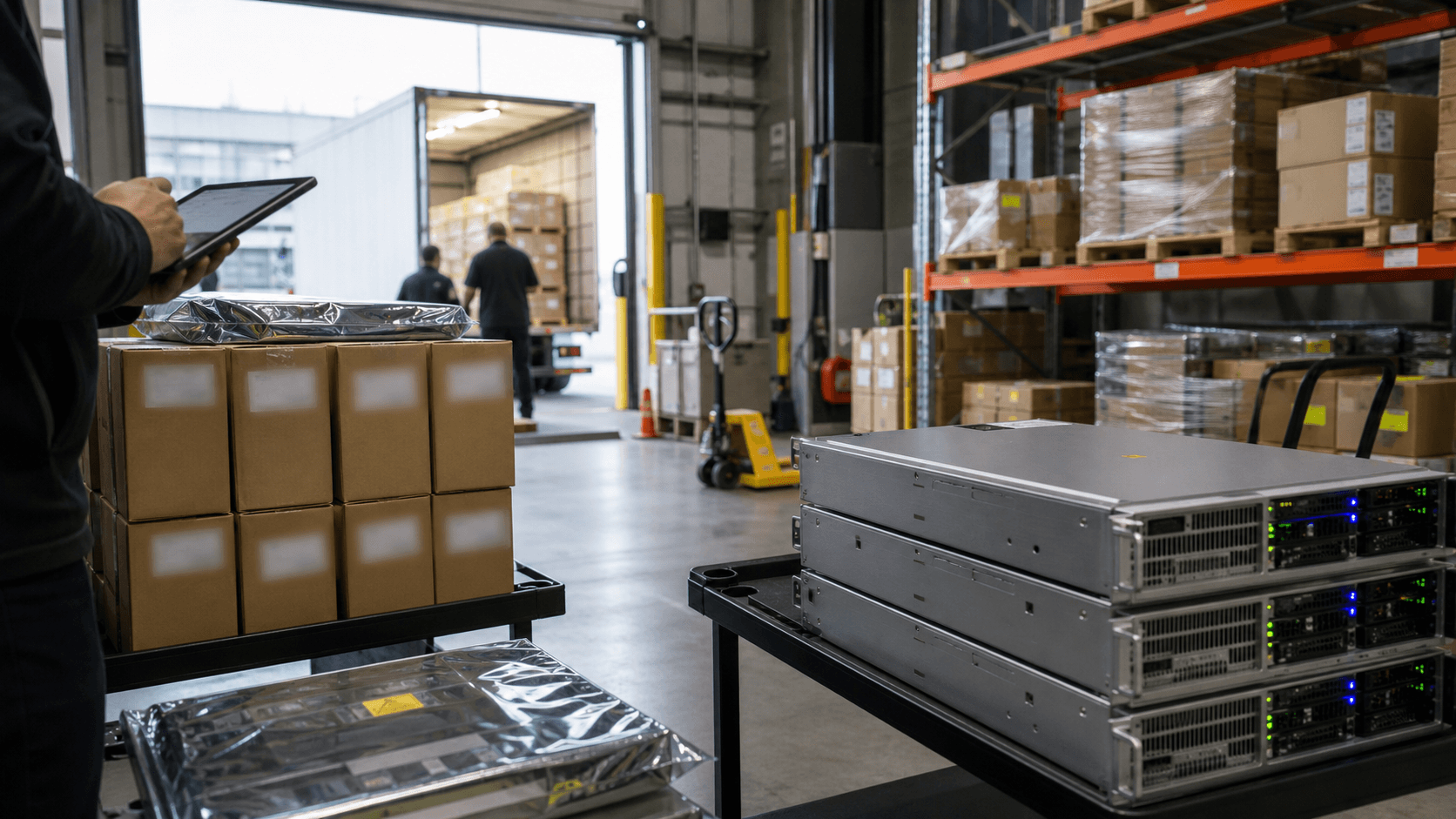
The AI market talks about models, but the real bottleneck often sits behind the scenes: chips, export licenses, data centers and delivery queues. Renewed movement around China access to constrained AI chips such as Nvidia’s H20 matters because it shows how political the compute supply chain has become. A license change can affect GPU prices, cloud capacity, model deployment schedules and the economics of AI products.
For ordinary users, H20 may sound like an obscure chip name, but the downstream effect is familiar. If accelerators are scarce, AI tools become slower, more expensive or more limited. If supply opens, companies can run more inference, reduce latency and launch heavier features. Chip policy in one capital can shape the experience of an AI app used on the other side of the world.
What it means for companies
H20 exists because suppliers and customers tried to design around export rules. That tells the whole story: AI hardware is now engineered not only for performance, but also for regulation. Companies need more compute, while governments worry about strategic capability transfer. The result is a market shaped by specifications, licenses, geopolitics, energy contracts and long-term cloud commitments.
AI-dependent businesses should stop assuming compute will always be cheap and available. Product plans need scenarios. What happens if inference costs rise? What happens if a cloud region is capacity-constrained? Can the workflow use a smaller model, better caching, smarter batching or local inference for part of the job? Teams using AI at scale now need supply-chain thinking, not only API integration.
Why users should care
The user impact is direct. More GPU capacity can mean better prices, faster responses and richer features. Less capacity can mean usage caps, smaller models, degraded quality or premium-only access to advanced tools. That is why chip export stories matter even when they seem dry. They shape the tools people use for writing, coding, design, research, education and daily work.
This topic also has a strong headline because it connects three high-interest themes: U.S.-China technology tension, Nvidia’s role in AI and the cost of consumer AI tools. Readers do not need to be semiconductor experts. They need to understand how an export license can influence cloud capacity, AI pricing and the pace of product launches.
Conclusion
The H20 story is a reminder that AI is not only software. Beneath the apps are factories, shipping lanes, rules, data centers, power contracts and political decisions. Anyone trying to understand the future of AI must watch the physical and geopolitical layer too.
Simple summary: if models are the brain of the AI wave, chips and export licenses are part of its circulation system. When that flow slows, the whole industry feels pressure. When it opens, new products and new competition can appear quickly.
“Good technology journalism helps the reader make a better decision after reading.”
About the author

Michael Lee
Infrastructure Editor
Michael covers chips, cloud platforms, data centers, software infrastructure, and the economics behind large-scale computing.