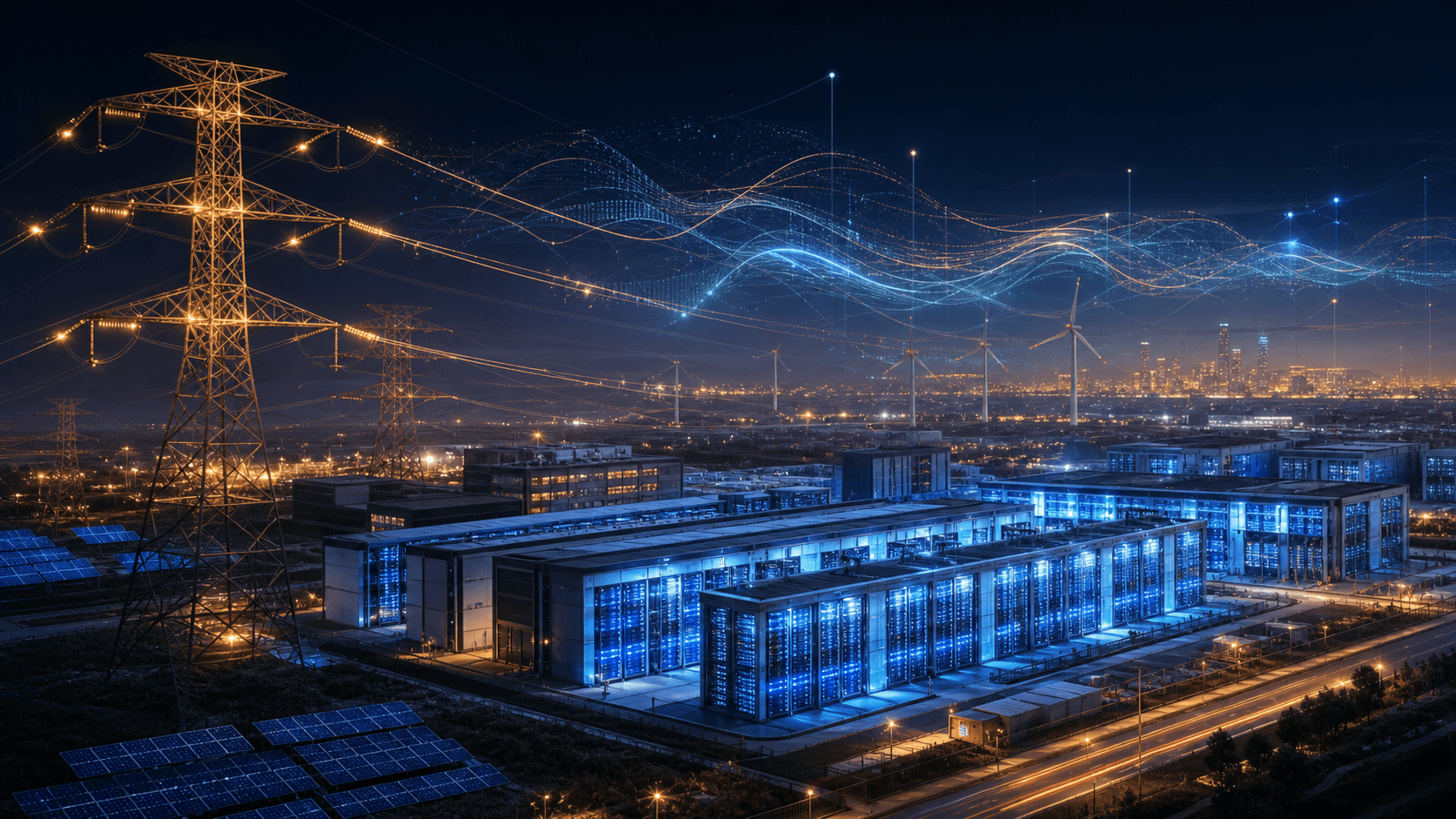

AI Data Centers Are Turning Memory Into the New Consumer Tech Pressure Point
The AI infrastructure boom is pulling memory supply toward servers, and that pressure can travel all the way to laptops, phones, consoles and small business hardware budgets.

Infrastructure Editor
Key takeaways
- AI infrastructure demand can affect consumer hardware even when users never touch a data center.
- Memory is becoming a strategic supply-chain item, not a boring component line.
- Companies should plan device refreshes and cloud costs with memory pressure in mind.
Summary
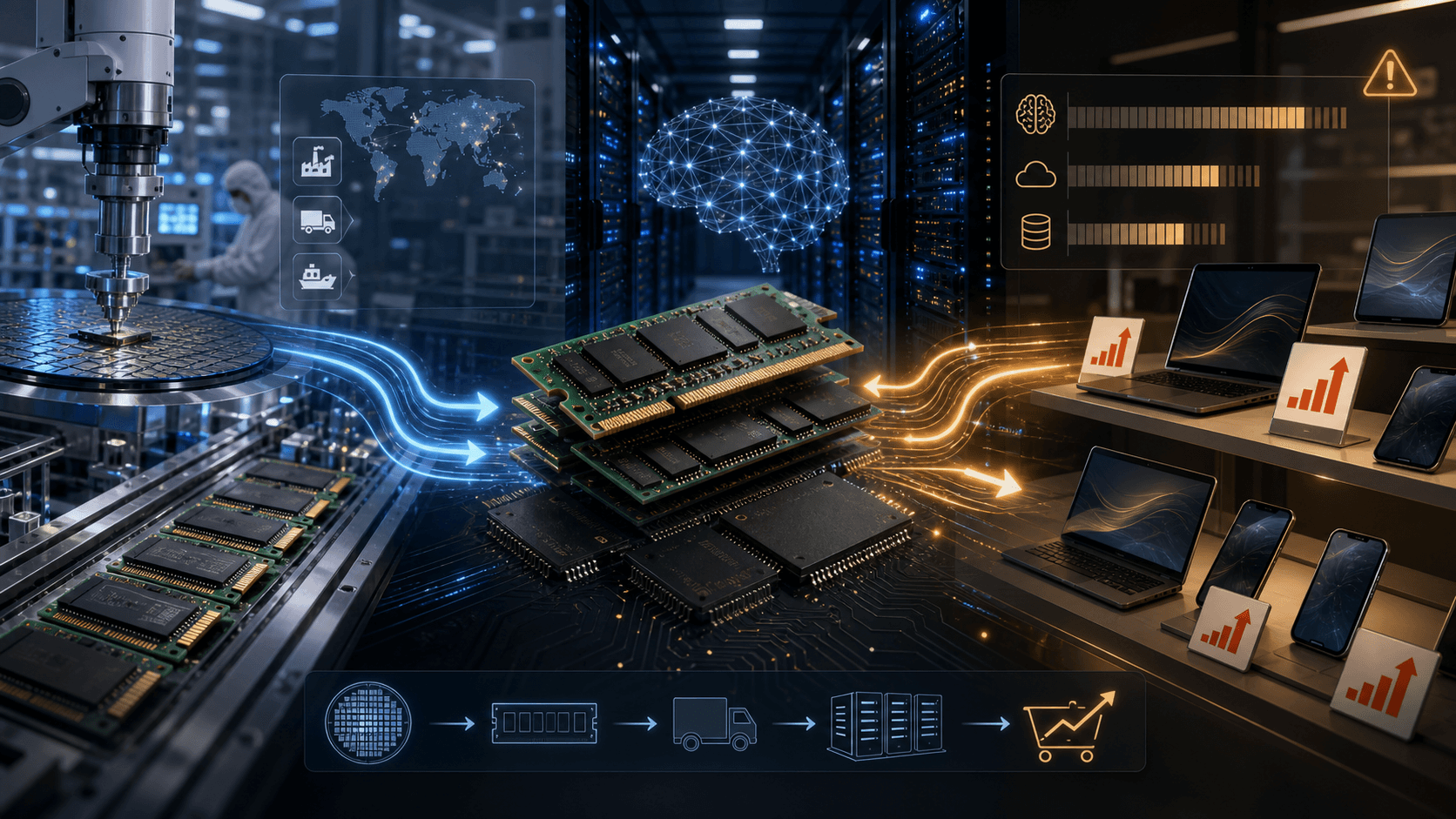
The AI boom is usually described through GPUs and giant data centers, but memory is becoming just as important. Servers built for training and inference consume huge amounts of high-performance memory, and that demand can compete with the supply used for PCs, phones, workstations and other devices.
For consumers, this may appear as higher prices, tighter configurations or slower upgrades. For companies, it can appear as more expensive device refreshes, longer procurement windows, or pressure to keep older machines in service for another year.
The lesson is simple: AI infrastructure is no longer invisible. When the cloud eats more components, the impact can show up on the shelf.
Article
The first phase of AI infrastructure coverage focused on GPUs because GPUs were the obvious bottleneck. But every AI server is a system, and systems need memory, networking, power, cooling and storage. As demand spreads through the stack, bottlenecks move.
Memory is especially sensitive because it sits between several markets. Cloud providers need high-bandwidth memory for accelerators and large pools of DRAM for servers. Laptop makers need memory for thin devices. Phone makers need efficient chips. Game consoles, workstations and enterprise PCs all compete for planning certainty.
If supply gets tight, the pressure does not always look dramatic at first. A base laptop may ship with less memory than buyers hoped. A business configuration may rise in price. A phone maker may push premium tiers harder. A small company may delay an upgrade because the budget no longer matches the quote.
This matters because software expectations are also rising. Browsers, creative tools, local AI features, security agents and collaboration apps all want more memory, not less. A device with too little RAM ages quickly. That turns a supply-chain problem into a productivity problem.
Enterprise buyers should respond with boring but useful planning. Map which teams genuinely need high-memory machines. Lock device standards earlier. Keep a second supplier. Measure whether cloud AI spending is reducing local hardware needs or simply adding another line item.
The bigger point is that AI has connected markets that used to feel separate. A data center buildout in one region can influence device choices elsewhere. The future of consumer tech may be shaped as much by server memory contracts as by keynote slides.
“Good technology journalism helps the reader make a better decision after reading.”
About the author

Michael Lee
Infrastructure Editor
Michael covers chips, cloud platforms, data centers, software infrastructure, and the economics behind large-scale computing.