
Five Eyes AI Warning Moves Cyber Risk Into the Boardroom
The message from allied cyber agencies is direct: AI is already changing the speed, scale, and sophistication of attacks, so resilience can no longer sit only inside the security team.

Security and data editor

Key takeaways
- AI compresses the time between weakness discovery and practical exploitation, making slow patch cycles and unclear ownership more dangerous.
- Executives should measure cyber readiness through business impact: exposed assets, privileged access, recovery time, backup tests, and incident communications.
- The same AI that helps attackers can strengthen defense when it is used for alert triage, log analysis, playbooks, and training with strong controls.
Summary
The Five Eyes warning should not be read as another abstract cybersecurity bulletin. Its practical message is that AI changes the time economics of attack. Reconnaissance, phishing, vulnerability analysis, and exploit experimentation can all move faster when attackers use advanced models.
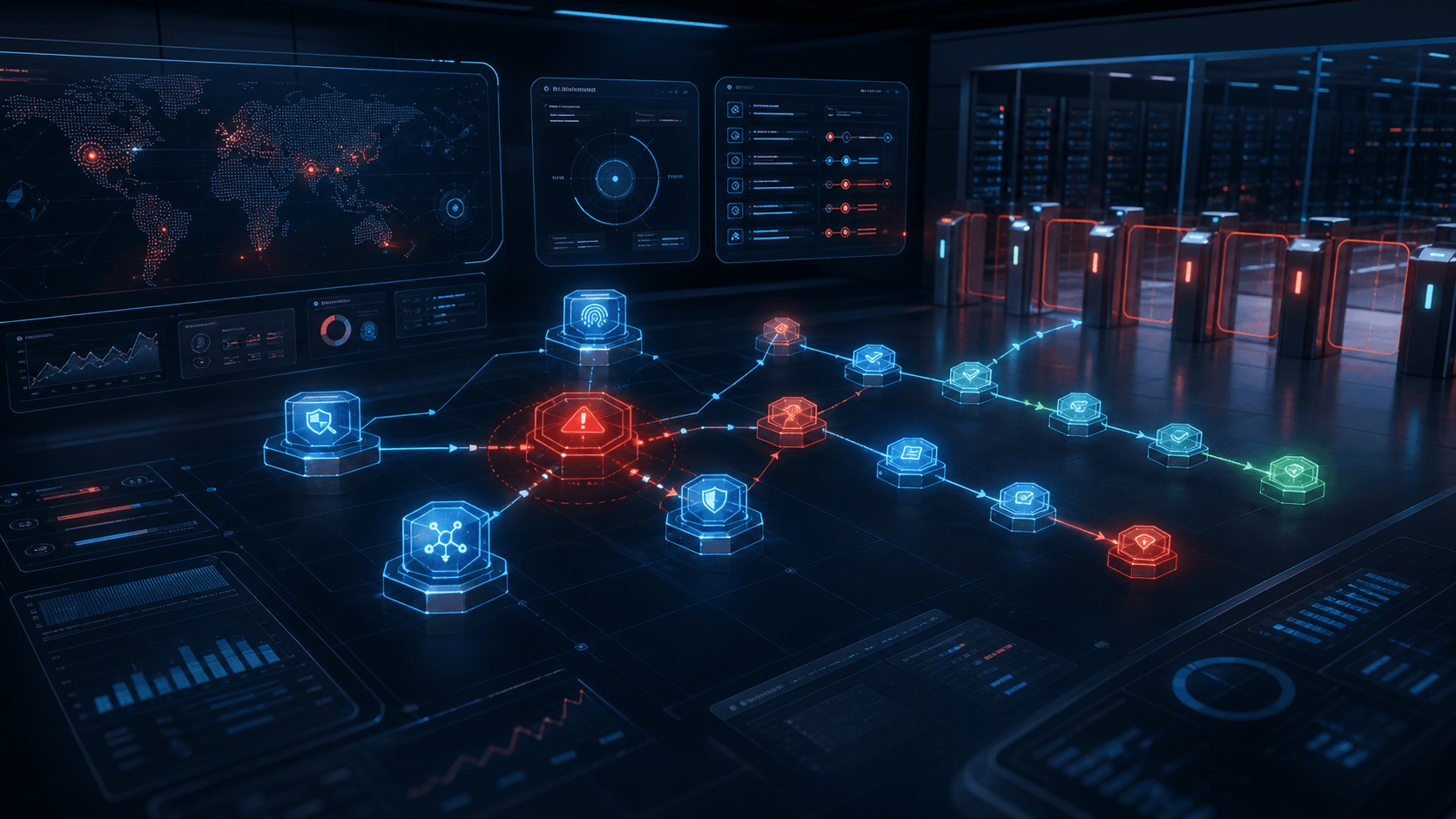
That shift moves cyber risk into the boardroom. If a company cannot explain its exposed services, privileged accounts, patch delays, backup recovery path, and incident chain of command, AI makes that disorder easier to exploit.
Article
The first board-level question is asset visibility. Unknown subdomains, forgotten panels, old API keys, test servers, and unmanaged cloud services are no longer small housekeeping issues. They are openings that automated discovery can combine into real intrusion paths.
The second question is access. Over-privileged employees, contractors, service accounts, and automation tools turn small compromises into business crises. Multifactor authentication, least privilege, key rotation, and admin-account review should be treated as operating discipline, not optional security hygiene.
The third question is rehearsal. Tools do not equal readiness. Teams need timed exercises that answer who shuts down systems, who talks to customers, how logs are preserved, whether backups restore, and which decisions require executive approval.
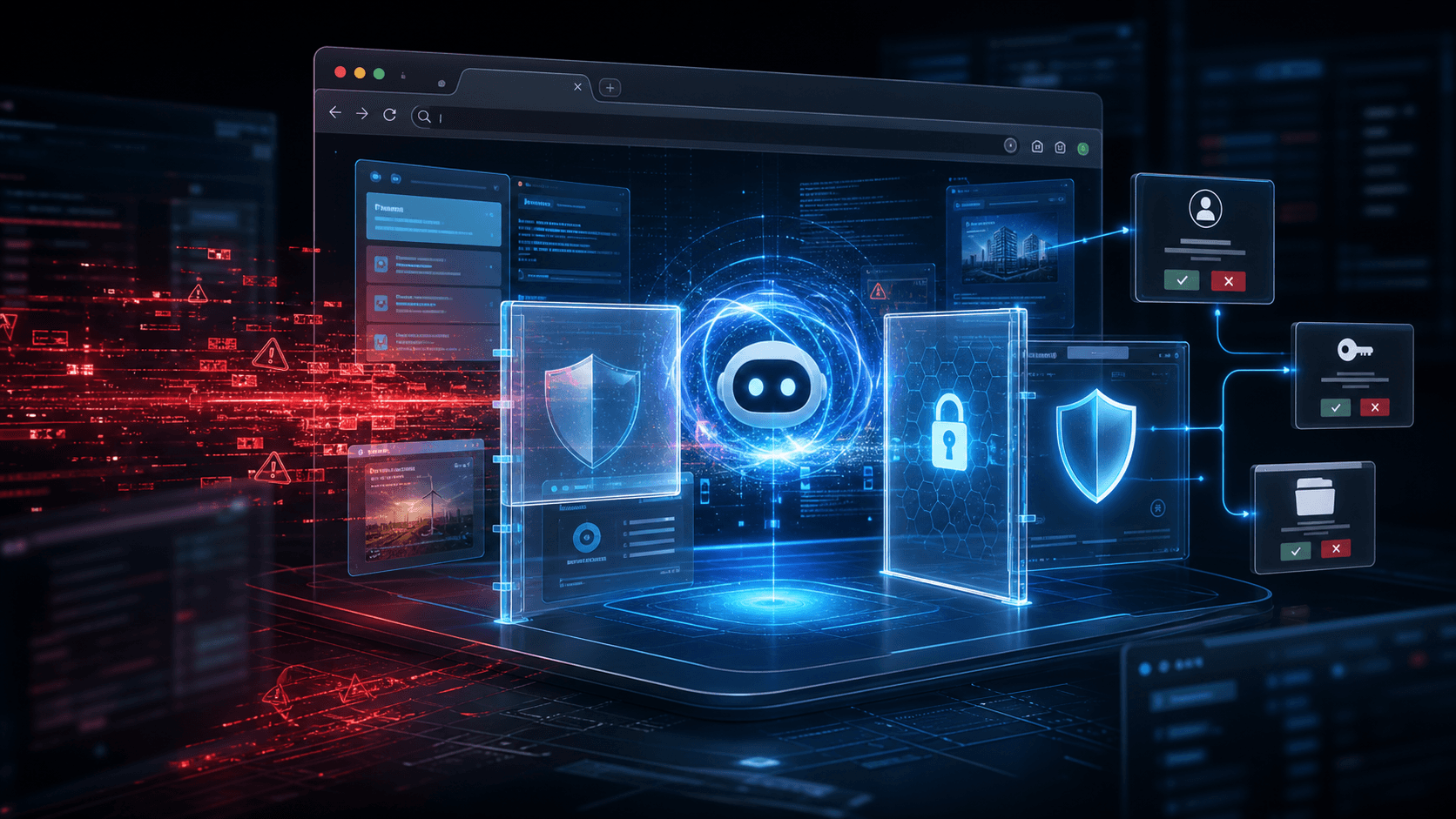
Defenders should also use AI, but carefully. Models can summarize logs, group alerts, draft playbooks, and train teams on phishing scenarios. They should not receive sensitive data without policy, nor should their outputs trigger critical actions without review. The lesson is simple: AI makes both sides faster, so responsible organizations must become clearer.
“Good technology journalism helps the reader make a better decision after reading.”
About the author

Priya Nair
Security and data editor
Priya covers digital trust, privacy engineering, API governance, identity systems, and the way security choices shape product adoption.